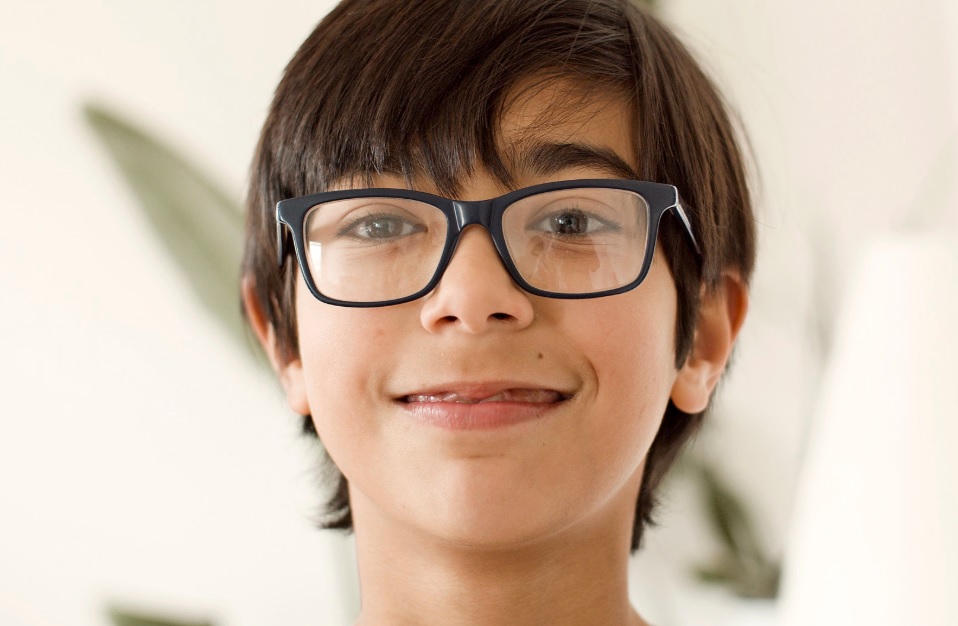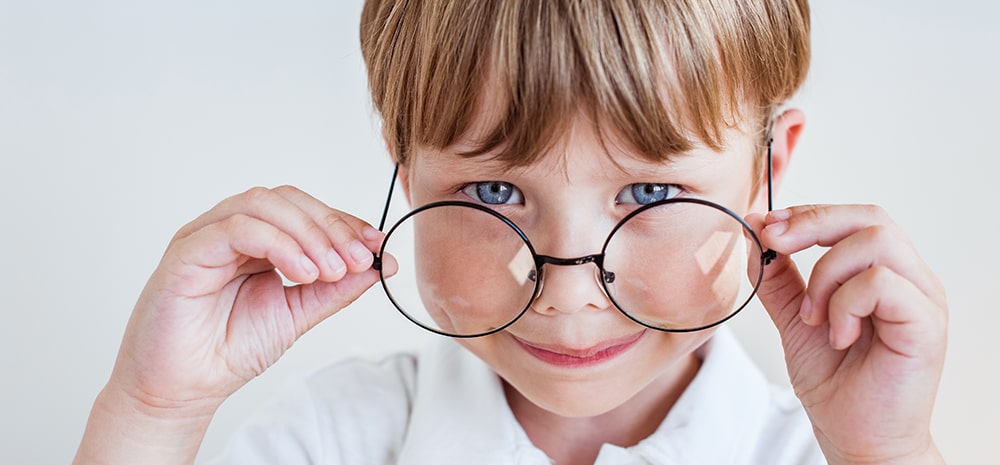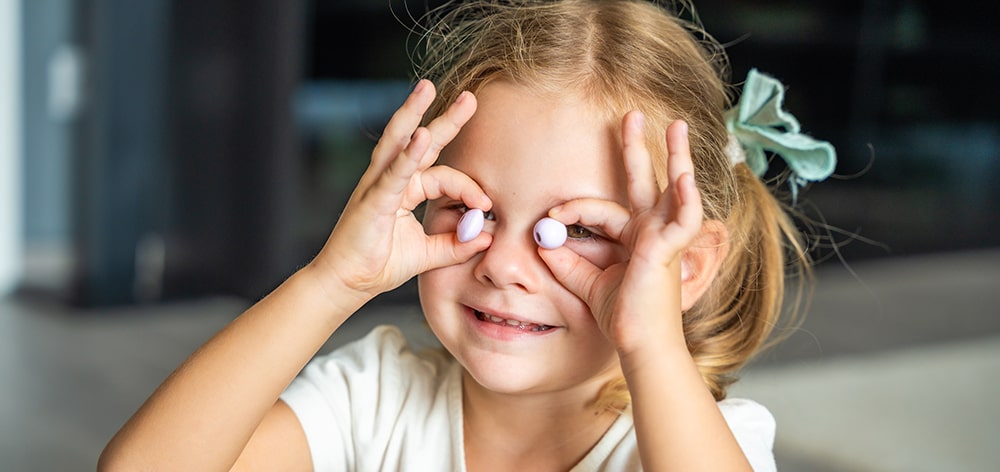

Kids don’t always tell you when something’s wrong with their eyes. They just adjust. They sit closer to the TV. They tilt their head to read. They rub their eyes a lot and you assume it’s just tiredness.
That’s exactly why a pediatric ophthalmologist in Dubai matters so much. Children’s eyes are still developing, and small problems, if missed, can turn into lifelong vision issues. At Orbit Eye Center, we see this every week: parents who had no idea their child had a vision problem until a routine check caught it.
This article walks through what pediatric eye care actually involves, in plain and simple terms.
Why Kids Need a Different Kind of Eye Doctor
A child’s visual system isn’t a smaller version of an adult’s. It’s still forming.
The eyes, the brain’s visual pathways, and eye muscle coordination all develop together during the first several years of life. If something interferes with that process, like a lazy eye or an uncorrected refractive error, the brain may never fully learn to use that eye properly. This condition is called amblyopia, and it’s one of the most common causes of vision loss in children worldwide.
According to the American Academy of Pediatrics, early detection of eye problems in children dramatically improves treatment outcomes. The earlier a problem is caught, the easier it usually is to fix.
This is where a pediatric eye doctor in Dubai comes in. Unlike a general eye doctor, a pediatric specialist is trained specifically to examine, diagnose, and treat eye conditions unique to infants, toddlers, and older children.
What to Expect From a Pediatric Ophthalmology Clinic in Dubai
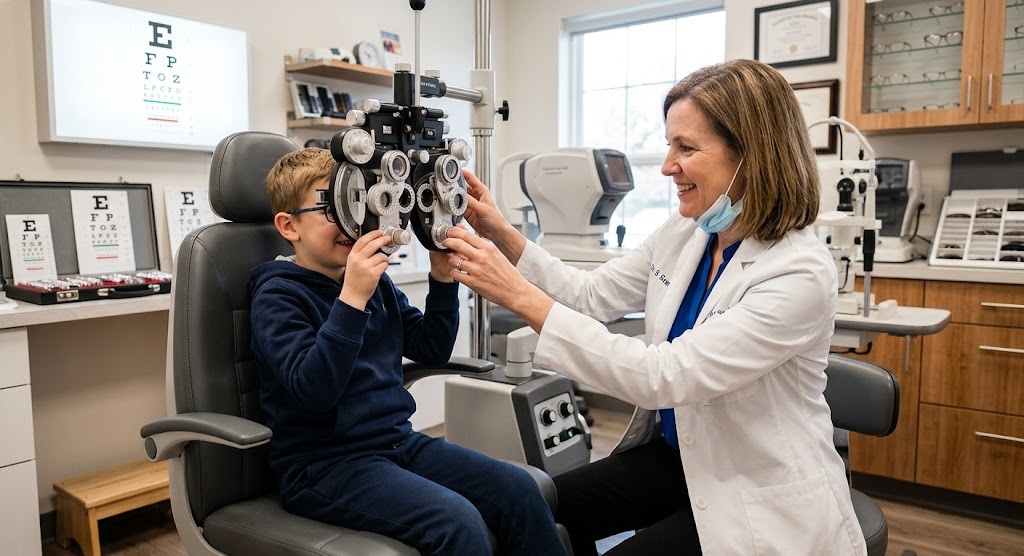
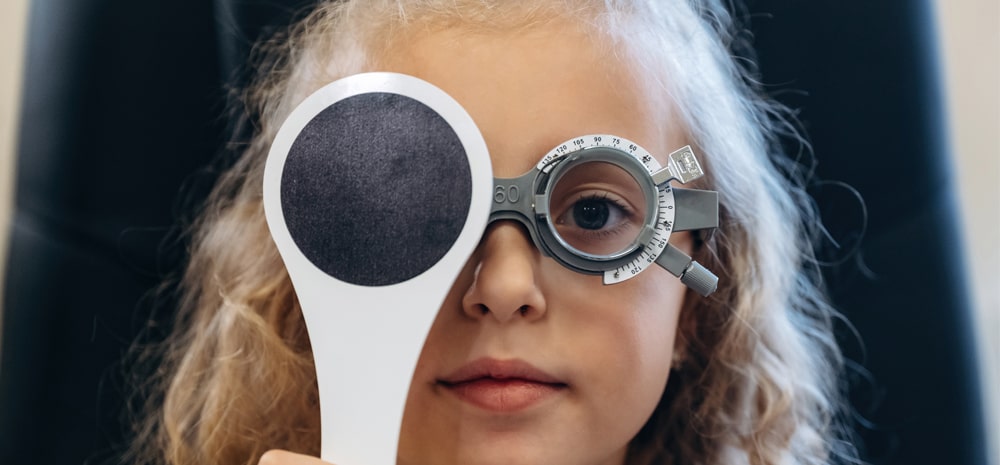
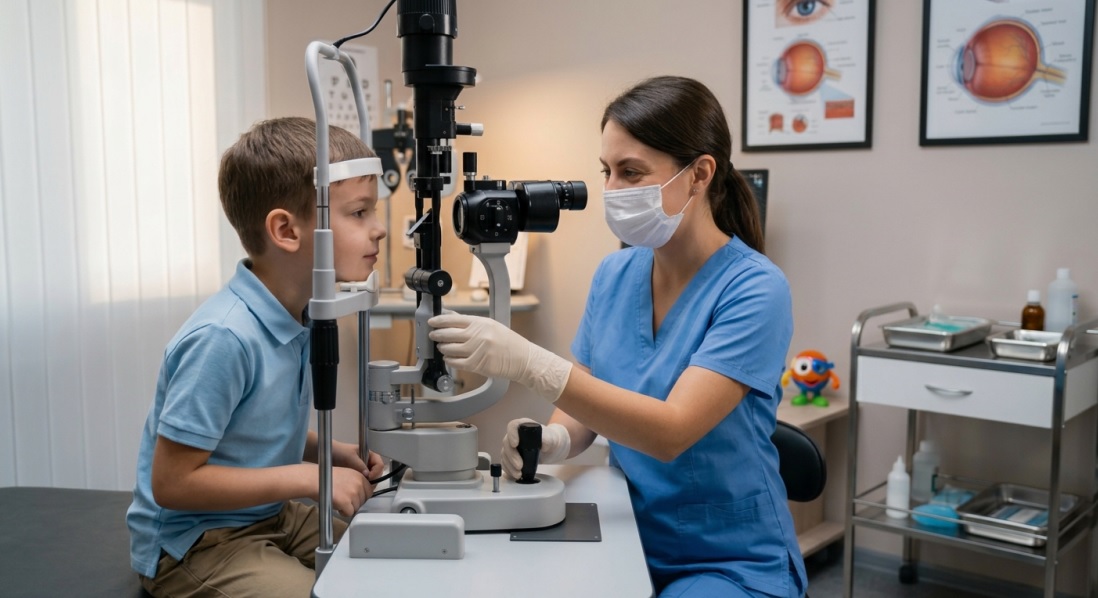
Walking into a pediatric ophthalmology clinic in Dubai should feel nothing like a regular doctor’s visit for a child. Kids get scared easily, especially around bright lights and unfamiliar equipment near their face.
A good clinic accounts for that. Here’s what typically happens:
- The room is set up to be calm and child-friendly, not clinical and intimidating
- Staff take time to explain things to the child in simple words, not just to the parent
- Testing is broken into short segments so a child doesn’t get overwhelmed
- Parents are encouraged to stay close, sometimes even holding their child during parts of the exam
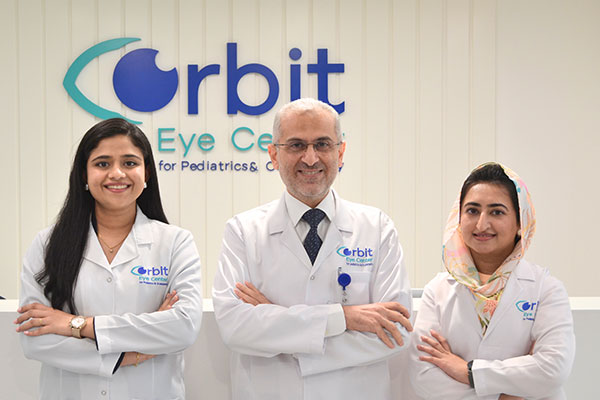
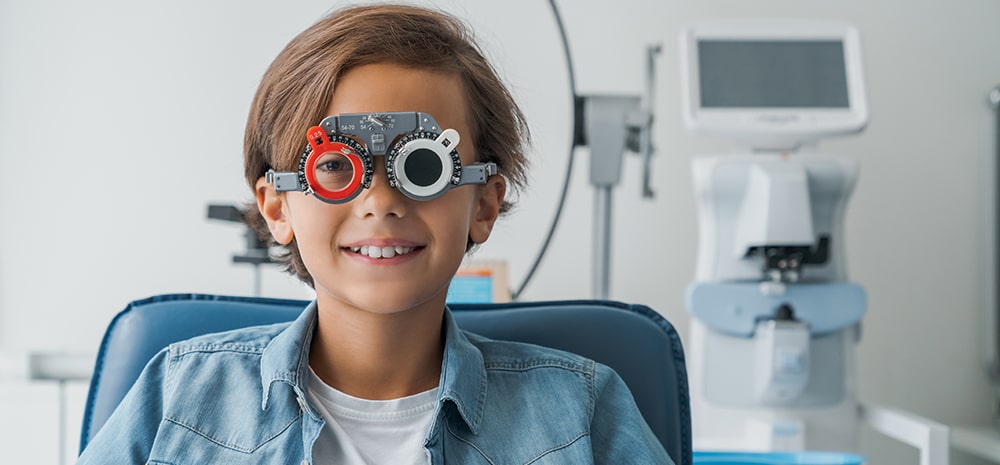
At Orbit Eye Center, our approach is built around this idea. We know a stressed, uncooperative child makes it harder to get accurate results. So we slow things down, use age-appropriate tools, and make sure the child feels safe before we even begin testing anything.
Common Conditions We See
Pediatric ophthalmology covers a wide range of issues. Some are obvious from birth. Others show up gradually as a child grows.
Conditions we regularly treat include:
- Refractive errors like nearsightedness, farsightedness, and astigmatism
- Amblyopia, commonly known as lazy eye
- Strabismus, or misaligned eyes
- Congenital cataracts
- Blocked tear ducts in infants
- Ptosis, or drooping eyelids
- Eye infections and allergies specific to children
Some of these conditions run in families. If a parent or sibling had a lazy eye or needed glasses at a young age, there’s a higher chance the child will too. That family history is something we always ask about during the first visit.
Pediatric Ophthalmologist for Squint in Dubai: Understanding Strabismus
Squint, medically known as strabismus, is one of the most common reasons parents book an appointment with a pediatric ophthalmologist for squint in Dubai.
Strabismus happens when the eyes don’t line up the same way. One eye might drift inward, outward, upward, or downward while the other stays focused straight ahead. Sometimes it’s constant. Sometimes it only shows up when the child is tired or focusing on something up close.
Here’s something a lot of parents don’t realize: strabismus isn’t just a cosmetic issue. If left untreated, the brain may start ignoring signals from the misaligned eye entirely, which leads to amblyopia in that eye.
Treatment depends on the type and severity. Options range from:
- Glasses to correct underlying refractive errors
- Eye patching to strengthen the weaker eye
- Vision therapy exercises
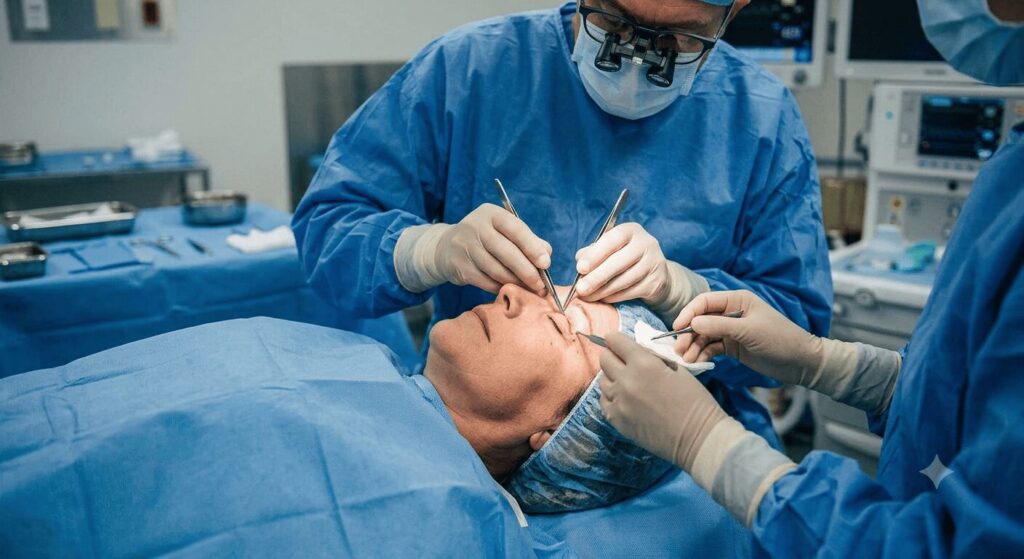
- Surgery, in cases where muscle correction is needed
The World Health Organization notes that childhood strabismus, when treated early, has excellent outcomes. Waiting too long is really the biggest risk factor for permanent vision problems.
Pediatric Ophthalmologist for Crossed Eyes in Dubai: What Parents Should Know
Crossed eyes is just a more familiar term for a type of strabismus where the eyes turn inward toward the nose. Parents searching for a pediatric ophthalmologist for crossed eyes in Dubai are often dealing with a baby or toddler whose eyes seem to cross, especially in photos or when they’re looking at something nearby.
A quick note here: some infants have a condition called pseudostrabismus, where the eyes look crossed because of wide nasal bridges or extra skin folds near the eyes, but the eyes are actually perfectly aligned. This is harmless and usually resolves as the face structure changes with growth.
Real crossed eyes, on the other hand, need proper evaluation. A pediatric ophthalmologist can tell the difference between the two through a simple, painless eye exam.
If it turns out to be true strabismus, early treatment matters a lot. Kids treated before age 7 or 8 generally have much better outcomes than those diagnosed later, since the visual system is still flexible enough to respond well to correction during those years.
How Orbit Eye Center Helps Parents Dealing With Kids’ Eye Problems
We understand that bringing your child to any doctor can feel stressful, especially when it involves their eyes.
Parents often come to us after noticing something small, like their child squinting at the whiteboard in school, or an eye that seems to wander slightly in photos. Sometimes it’s a teacher who mentions the child sits unusually close to the board. Sometimes it’s nothing obvious at all, just a routine check.
Whatever brings you in, here’s what we offer:
We take time during consultations. Our pediatric specialists don’t rush exams, because accurate results depend on a comfortable, cooperative child.
We explain everything clearly. Parents leave understanding exactly what’s going on with their child’s eyes and what the treatment plan actually involves.
We offer a full range of treatments. From glasses and patching therapy to advanced strabismus surgery, our team manages the full spectrum of pediatric eye conditions under one roof.
We follow up consistently. Kids’ eyes change as they grow, so we track progress over time rather than treating a single visit as the end of the story.
If you’re a parent searching for a pediatric eye specialist near you in Dubai, Orbit Eye Center is here to make sure your child’s vision gets the attention it deserves, at every stage of growth.
Quick Answers to Common Questions
When should my child see a pediatric ophthalmologist? Children should have their first comprehensive eye exam around 6 months of age, another around age 3, and again before starting school. Beyond that, see a specialist right away if you notice squinting, eye misalignment, excessive tearing, light sensitivity, or a child consistently sitting too close to screens or books.
What conditions does a pediatric ophthalmologist treat? Pediatric ophthalmologists treat refractive errors, amblyopia (lazy eye), strabismus (crossed or misaligned eyes), congenital cataracts, blocked tear ducts, ptosis, and various childhood eye infections or injuries.
How often should children have an eye examination? Healthy children with no symptoms should generally be examined at 6 months, at 3 years, and before starting school, then every one to two years after that. Children with a family history of eye problems or an existing diagnosis usually need more frequent visits, as advised by their doctor.
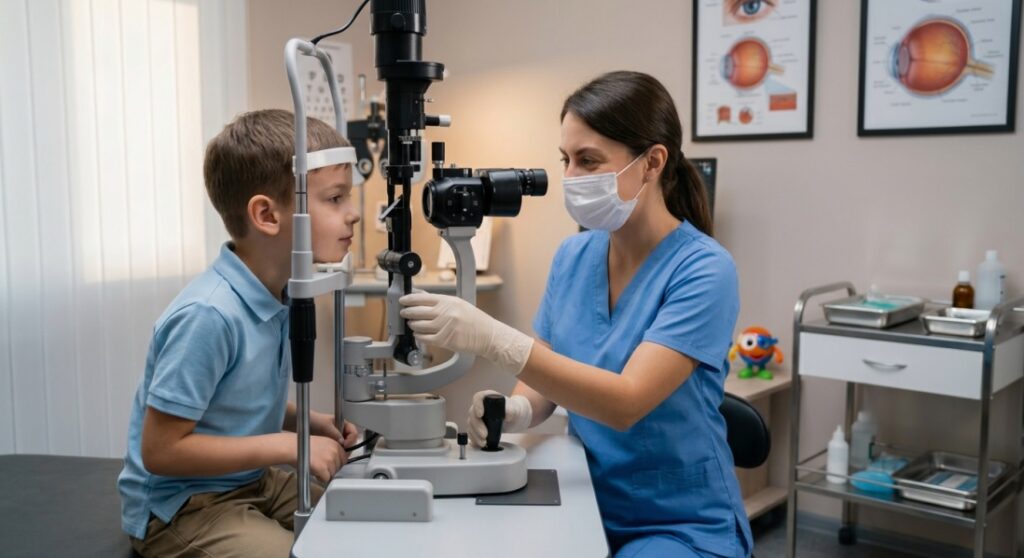
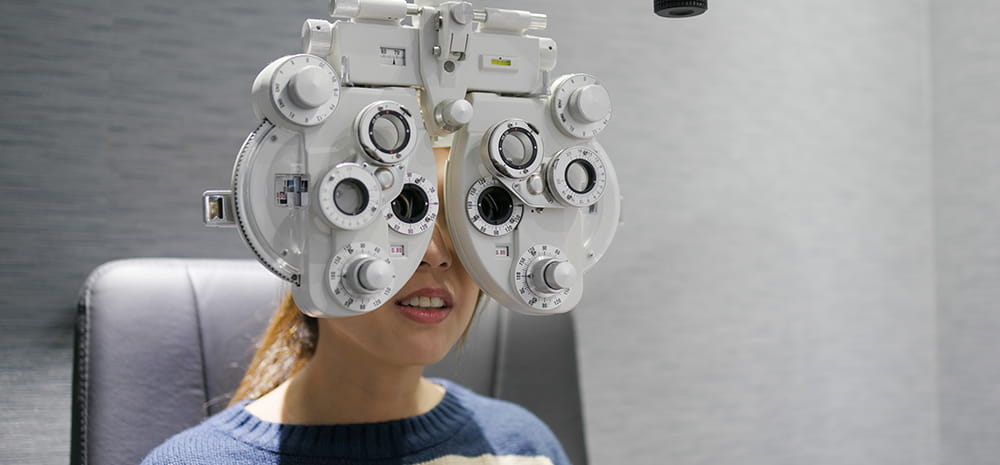
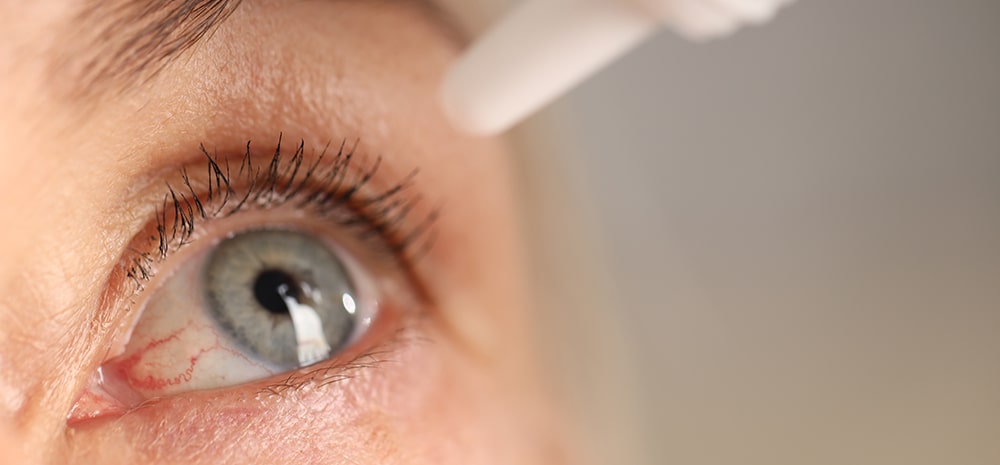
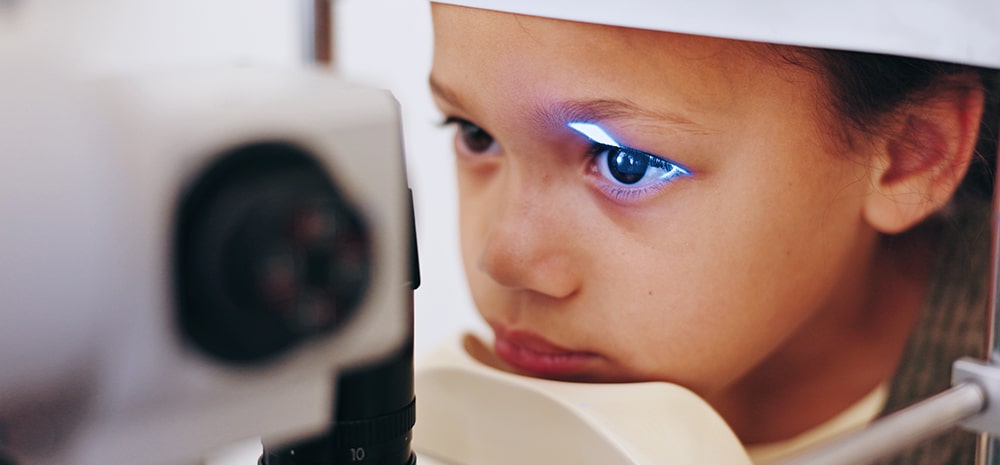
What happens during a pediatric eye examination? The exam typically includes a vision check appropriate for the child’s age, an assessment of eye alignment and movement, a look at how the eyes focus together, and sometimes dilating eye drops so the doctor can examine the retina and internal eye structures. The whole process is painless and adjusted to keep the child comfortable throughout.