
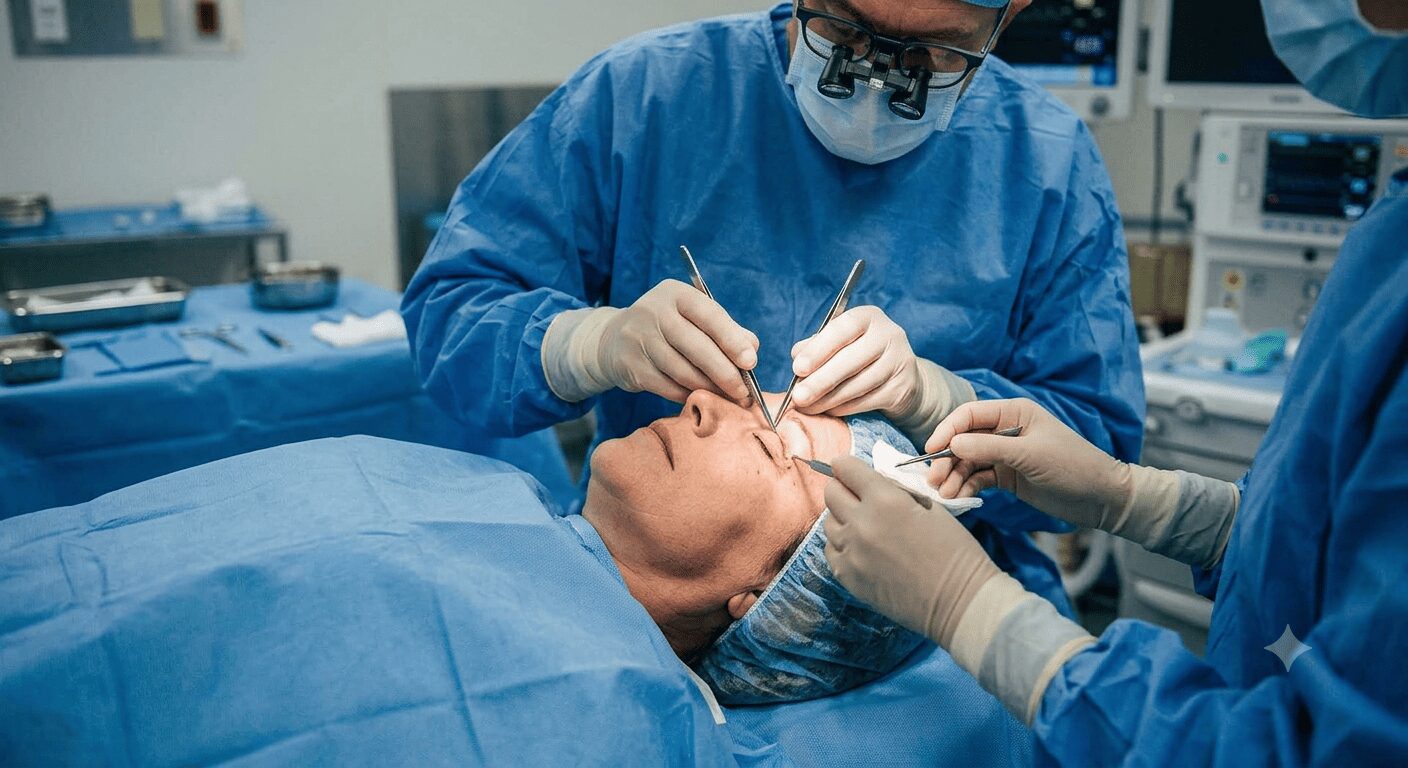
Tired, heavy eyelids can make you look older or more worn out than you actually feel. Maybe it’s excess skin folding over your lash line. Maybe it’s puffy bags under your eyes that no amount of sleep seems to fix. Whatever the case, you’re not alone, and there’s a solution that actually works.
Blepharoplasty in Dubai has become one of the most requested eye treatments at Orbit Eye Center, and for good reason. It’s a proven eyelid surgery that removes extra skin, muscle, and sometimes fat around the eyes. The result? Eyes that look rested, alert, and more youthful, without changing who you are.
Let’s walk through everything you need to know, in plain, simple language.
What Exactly Is Blepharoplasty?
Blepharoplasty is just the medical term for eyelid surgery. Surgeons use it to fix sagging, puffiness, or excess skin on the upper or lower eyelids.
Sometimes it’s done purely for looks. Other times, it’s medically necessary. Drooping upper eyelid skin can actually block your side vision. When that happens, insurance may even cover part of the cost, since it’s considered a functional issue, not just cosmetic.
The American Academy of Ophthalmology notes that eyelid surgery is among the most common facial procedures performed worldwide, and it’s easy to see why. It works on both function and appearance at the same time.
Lower Eyelid Blepharoplasty Procedure: What Happens Step by Step
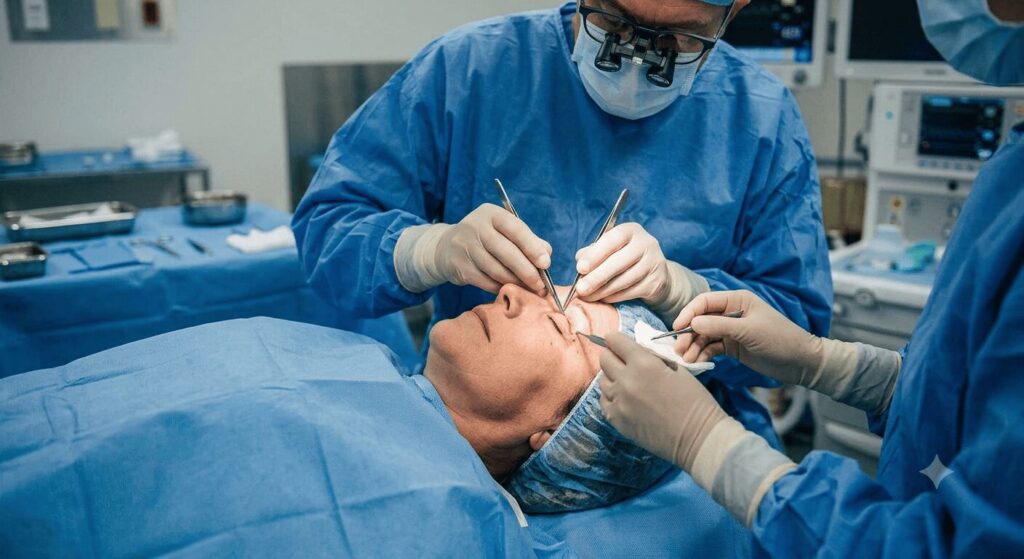
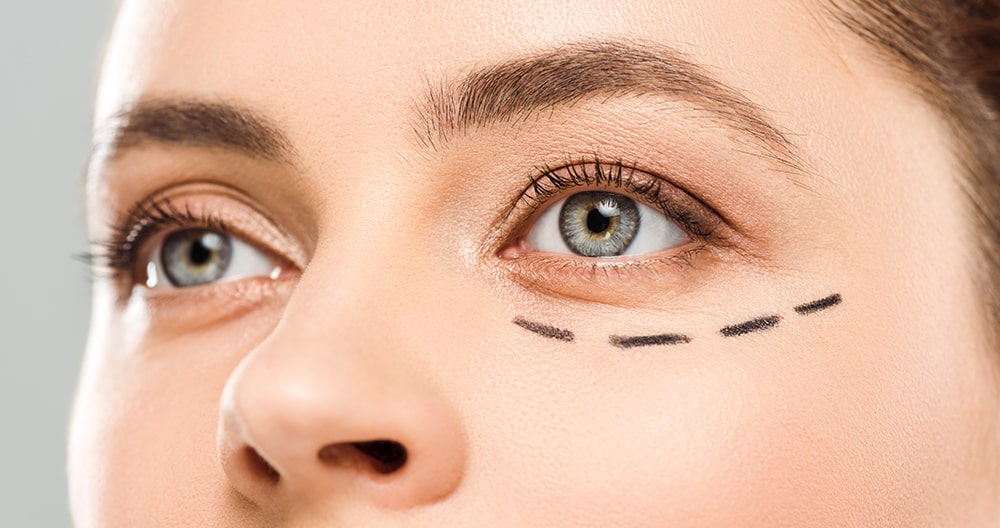
A lot of people ask specifically about the lower eyelid blepharoplasty procedure, since under-eye bags and hollows are such a common complaint.
Here’s roughly how it goes:
- The surgeon numbs the area or uses light sedation, depending on your comfort level and case.
- A small incision is made, either just below the lash line or inside the eyelid itself (this is called a transconjunctival approach, and it leaves no visible scar).
- Excess fat is removed or repositioned. Sometimes fat is shifted to fill in hollow areas instead of being taken out completely.
- Loose skin is trimmed if needed.
- The incision is closed with fine sutures.
The whole thing usually takes about one to two hours. Most patients go home the same day. It’s not an overnight hospital stay type of surgery.
Who Is a Good Candidate for Blepharoplasty?
This is probably the most searched question about this procedure, and it deserves a clear answer.
Good candidates for blepharoplasty typically:
- Have healthy skin and no serious eye conditions like glaucoma or severe dry eye
- Are non-smokers, or willing to stop smoking before and after surgery
- Have realistic expectations about the outcome
- Are bothered by sagging eyelid skin, puffiness, or vision blocked by droopy lids
- Are in good general health with no uncontrolled medical conditions like diabetes or thyroid disease
Age isn’t really the deciding factor here. Some people need this surgery in their 30s due to genetics. Others wait until their 50s or 60s. What matters more is your skin condition and your goals.
At Orbit Eye Center, our specialists run a full eye and health evaluation before recommending surgery. This isn’t a one-size-fits-all decision, and we treat it that way.
Blepharoplasty Surgery Benefits: Why People Choose This Procedure
The benefits go beyond just looking younger, though that’s a big part of it for most patients.
Here’s what people commonly notice after surgery:
- Wider, more open-looking eyes
- Reduced puffiness and under-eye bags
- Improved peripheral vision, if drooping skin was blocking sight
- A less tired or “sleepy” appearance, even when well-rested
- Better fit for glasses or makeup application, since there’s less excess skin in the way
- Long-lasting results compared to non-surgical treatments like fillers
Many patients tell us they feel more confident in photos and in the mirror. It’s a small change in some ways, but it makes a noticeable difference in how people perceive their own face.
Blepharoplasty Recovery Timeline: What to Expect Week by Week
Recovery is usually smoother than people expect, but it does take patience.
First 2 to 3 days: Swelling and bruising are at their peak. Cold compresses help. Keep your head elevated, even while sleeping.
Days 4 to 7: Swelling starts going down noticeably. Stitches, if not dissolvable, are often removed around day 5 to 7.
Week 2: Most bruising fades. You can usually return to work or normal daily activities, especially if your job isn’t physically demanding.
Weeks 3 to 4: Residual swelling continues to improve. Scars, if any, start fading and become less noticeable.
1 to 3 months: Final results start to show clearly. Any subtle swelling or tightness usually resolves completely by this point.
Every patient heals a bit differently. Age, skin type, and how well you follow aftercare instructions all play a role in how fast you bounce back.
Laser Blepharoplasty Procedure: A Modern Alternative
Some patients prefer laser blepharoplasty over traditional surgical methods. Instead of a scalpel, a precise laser is used to make incisions and remove tissue.
Why do people choose this option?
- Less bleeding during the procedure
- Reduced swelling afterward
- Often a shorter recovery period
- Very precise control over the treatment area
That said, laser blepharoplasty isn’t automatically better for everyone. It depends on your specific eyelid concerns, the amount of skin or fat that needs addressing, and what your surgeon recommends after examining your eyes closely.
Organizations like the American Society of Plastic Surgeons point out that both traditional and laser techniques are safe and effective when performed by trained, experienced professionals. The choice often comes down to individual anatomy and surgeon expertise, not one method being universally superior.
How Orbit Eye Center Helps You Deal With Excess Eyelid Skin
If you’re dealing with excess eyelid skin, sagging lids, or under-eye puffiness, Orbit Eye Center is built to help you through it, from your very first consultation to your final follow-up visit.
Here’s what sets our approach apart:
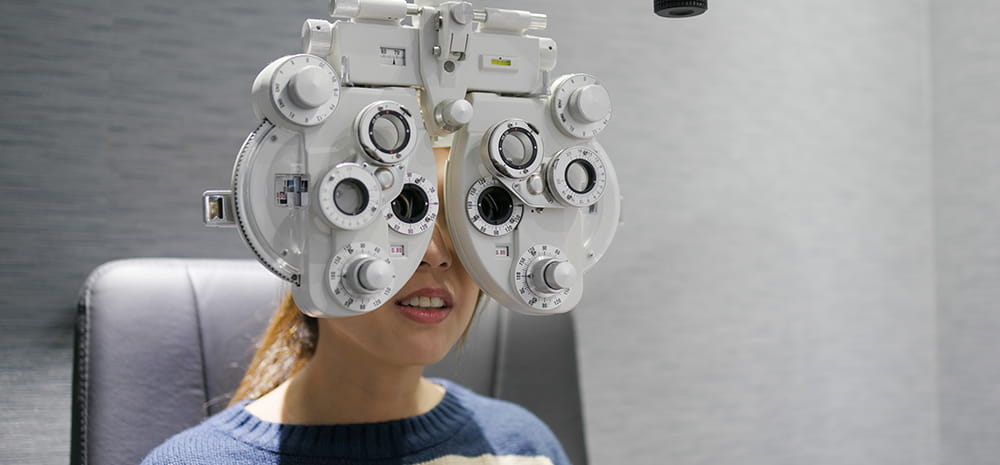
We start with a thorough eye exam, not a rushed sales pitch. Our specialists check your vision, eyelid function, and skin condition before recommending any procedure.
We explain your options honestly, whether that’s traditional blepharoplasty, laser blepharoplasty, or sometimes non-surgical alternatives if surgery isn’t the right fit yet.
We personalize your surgical plan. No two eyelids are the same, and your treatment shouldn’t be either.
We support you through recovery, with clear instructions and follow-up care so you’re never guessing what’s normal and what’s not.
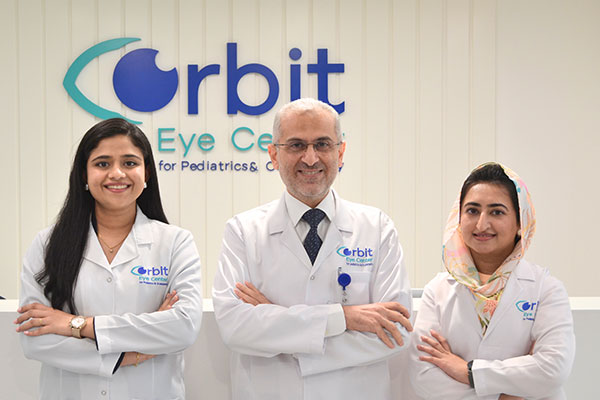
Patients come to us specifically because they want a blepharoplasty specialist who understands both the medical and cosmetic sides of eyelid surgery. That’s exactly what our team at Orbit Eye Center offers, right here in Dubai.
Quick Answers to Common Questions
Who is a good candidate for blepharoplasty? Someone in good general health, without serious eye conditions, who has sagging eyelid skin, puffiness, or vision blocked by drooping lids, and has realistic expectations about the results.
How long is the recovery after blepharoplasty? Most people return to normal daily activities within 1 to 2 weeks. Full healing, including final results, typically takes 1 to 3 months.
How long do blepharoplasty results last? Results usually last 5 to 10 years or longer, and in many cases, the improvement to the upper or lower eyelid area is permanent since excess skin and fat don’t typically return the same way.