
Most people have never heard the word oculoplasty until a doctor uses it about their own eyes, and even then it usually needs unpacking. It sits at the border between ophthalmology and plastic surgery, and it covers a longer list of conditions than most patients expect walking in.
It’s Not Just Eyelid Surgery
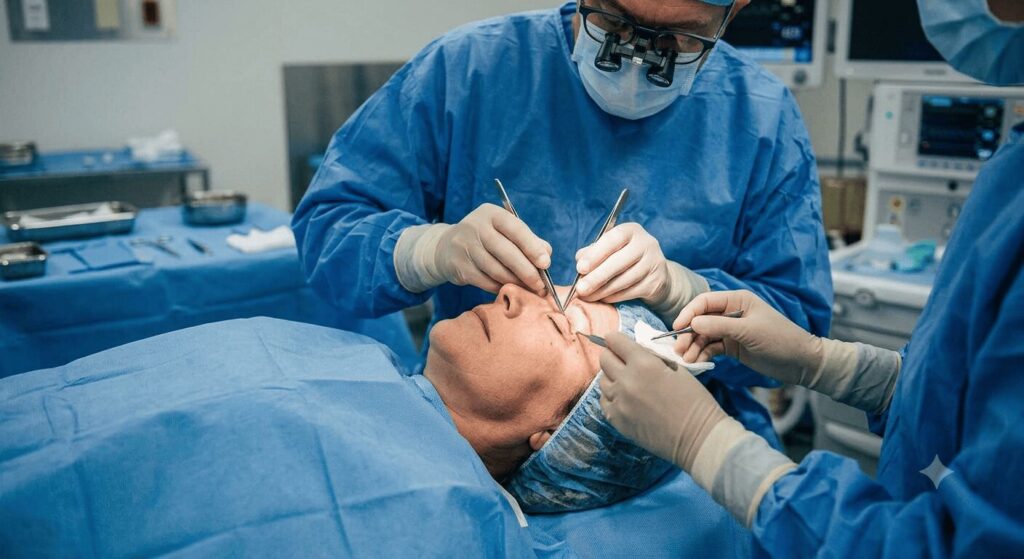
Ask most people what an oculoplastic surgeon does and they’ll guess blepharoplasty, eyelid surgery, and stop there. That’s a real part of the practice, but only one part. Oculoplasty also covers ptosis, chalazia and styes that keep recurring, blocked or narrowed tear ducts, eyelid lumps that need a proper diagnosis rather than a guess, and orbital issues where the eye socket itself is affected, sometimes by thyroid conditions that push the eye forward or affect how the lids close.
Two “Droopy Eyelids” That Aren’t the Same Thing
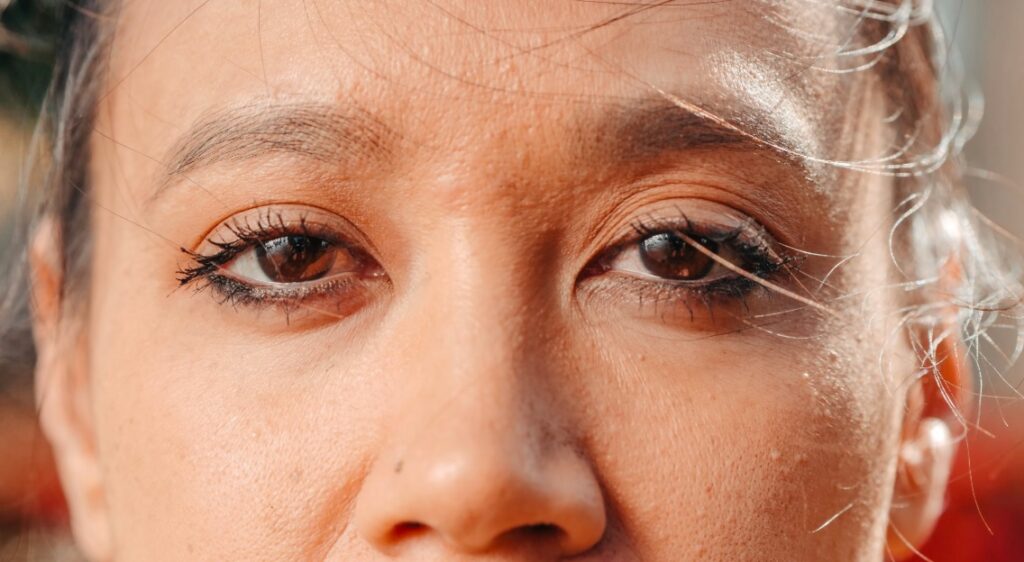
Two patients can both describe their eyelid as droopy and be describing two completely different problems. One is dermatochalasis, excess, loose skin that develops on the upper eyelid with age as the skin loses elasticity. The other is ptosis, where the eyelid margin itself sits lower because the muscle responsible for lifting it has weakened or stretched. Looking in the mirror, the two can appear strikingly similar. Diagnosing which one is actually present changes everything about how it gets treated, and it’s the first thing an oculoplastic exam is built to work out.
Why This Needs Its Own Specialist
A general ophthalmologist is trained broadly across the eye. An oculoplastic surgeon has done additional fellowship training specifically in the eyelids, the tear drainage system, and the orbit, the bony socket and soft tissue around the eye itself. That extra training matters because this is genuinely delicate territory. Any procedure here has to protect the eye’s function first, the blink, the tear film, the muscles that actually move the lid, before anything else gets considered.
The Tear Duct Connection Nobody Expects
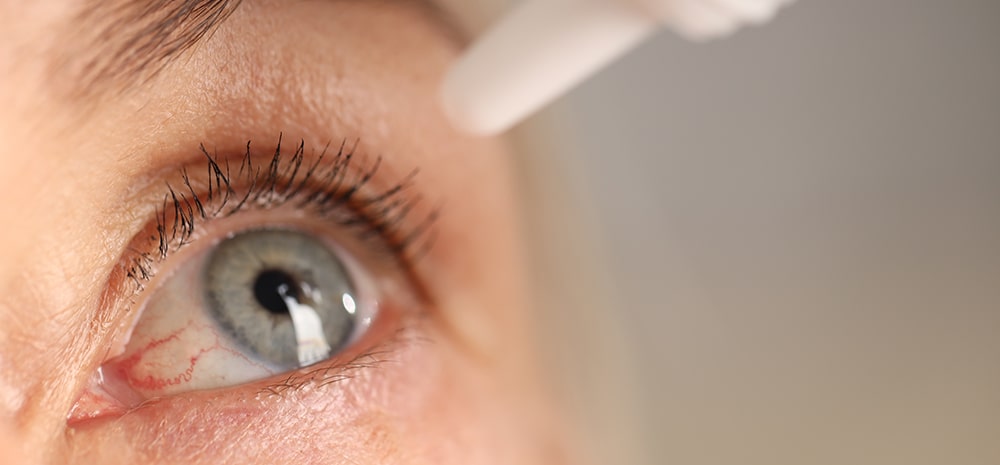
One of the more common reasons people end up in this specific specialty’s office, and one that surprises most patients, is watering eyes. It sounds like the opposite of a structural problem, but a blocked or narrowed tear duct is exactly that. The tears are being produced normally, they just have nowhere to drain, so they spill over instead. This shows up in babies fairly often, many resolve on their own in the first year, and in adults too, sometimes after an infection, sometimes for no obvious reason at all. It’s a structural problem, and drops alone may not address the underlying cause.
Signs Worth a Proper Look
A number of things reasonably send someone to this kind of specialist: an eyelid that’s started sitting lower than the other, excess upper eyelid skin that’s begun to interfere with your actual field of vision, catching yourself raising your eyebrows constantly just to see clearly, tilting your head or chin up to compensate, difficulty keeping an eyelid fully open by the end of the day, a lump on the lid that hasn’t settled in a few weeks, an eye that waters constantly for no clear reason, or a noticeable change following an injury. None of these automatically mean surgery is the answer. Sometimes the right advice is simply to monitor things. But knowing which situation you’re actually in is worth a real look rather than a guess.
What a First Visit Looks Like
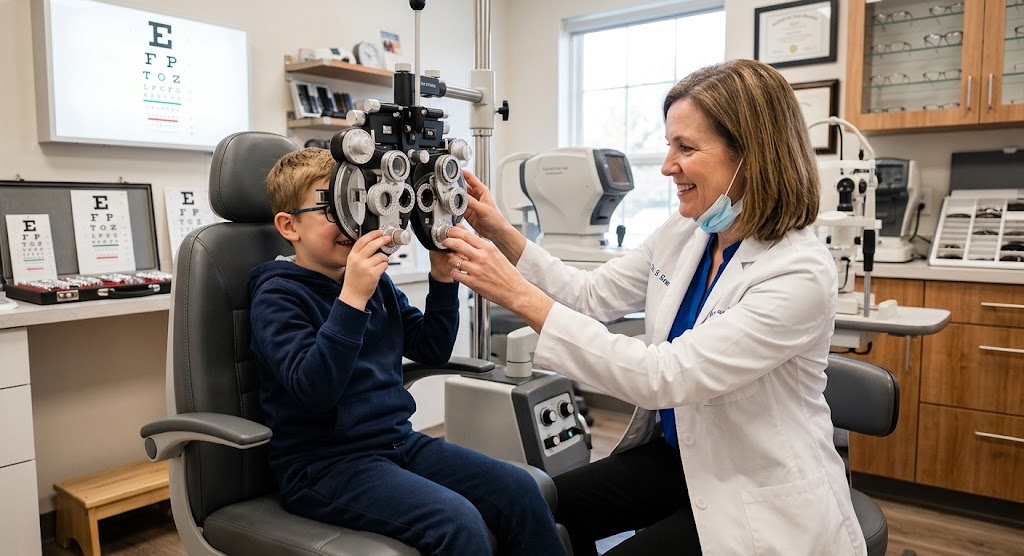
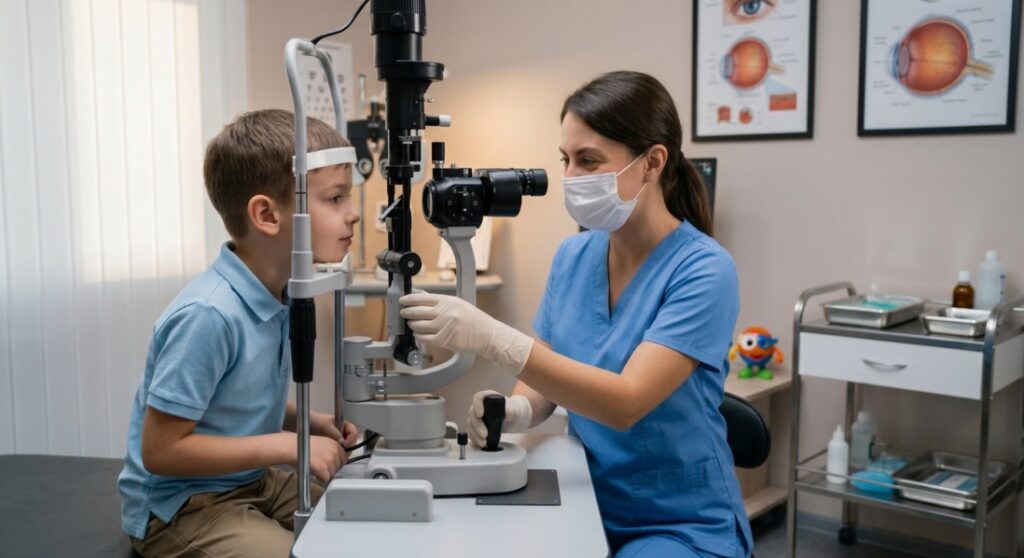
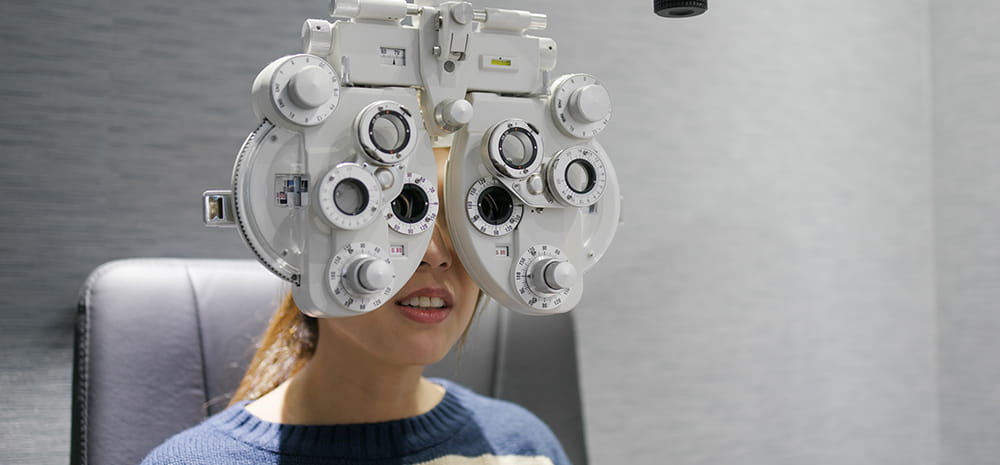
The first consultation is mostly about looking carefully and asking questions. How long has this been happening, does it affect vision, has anything changed recently, is there a family history. Depending on what’s found, that might be the whole visit, or it might lead to imaging, or a straightforward in-clinic procedure for something like a stubborn chalazion.
Why This Combination Matters at Orbit
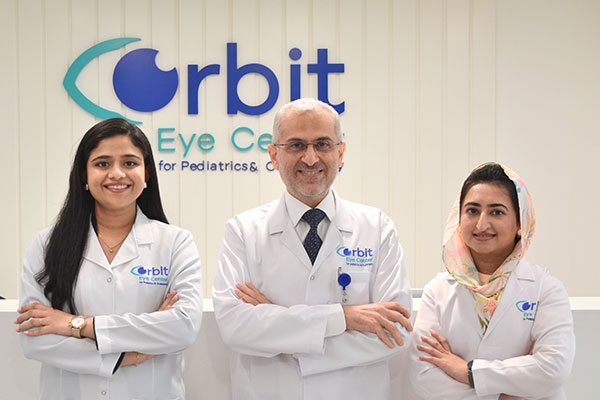
Oculoplasty and pediatric ophthalmology don’t usually sit under the same roof, most practices lean one way or the other. Dr. Walid Abdalla treats both at Orbit, which matters more than it might seem. A child with a congenital ptosis or a blocked tear duct is seeing a specialist who treats exactly that combination regularly, not occasionally, and an adult weighing up a drooping eyelid gets an assessment that looks at function first, not just what a quick fix might look like in the mirror.
If something in this list sounds familiar, whether it’s your own eyelid or your child’s, it’s worth an actual look rather than a guess. Book a consultation with Dr. Walid Abdalla at Orbit Eye Center in Dubai Healthcare City.