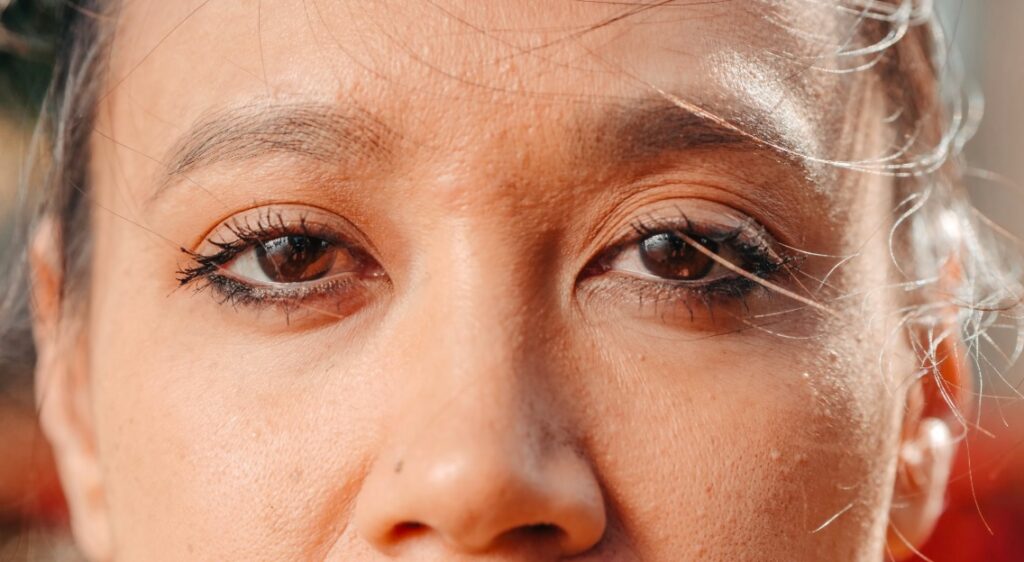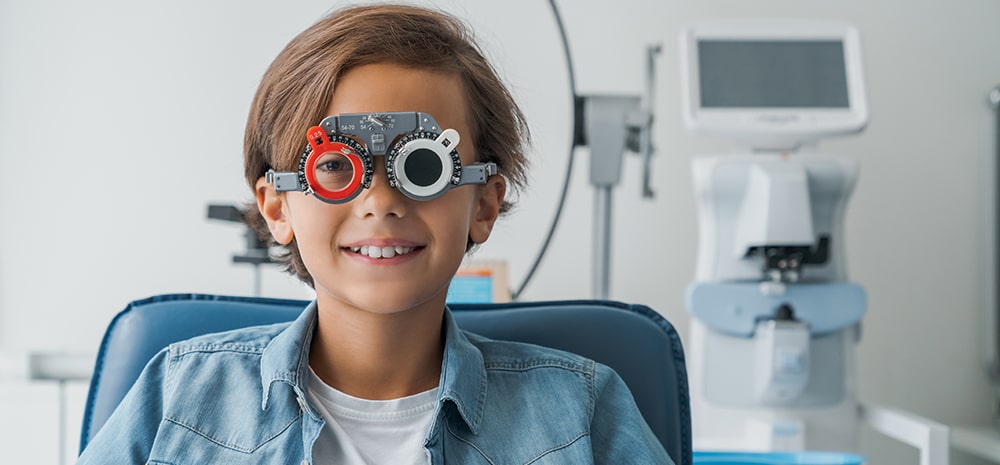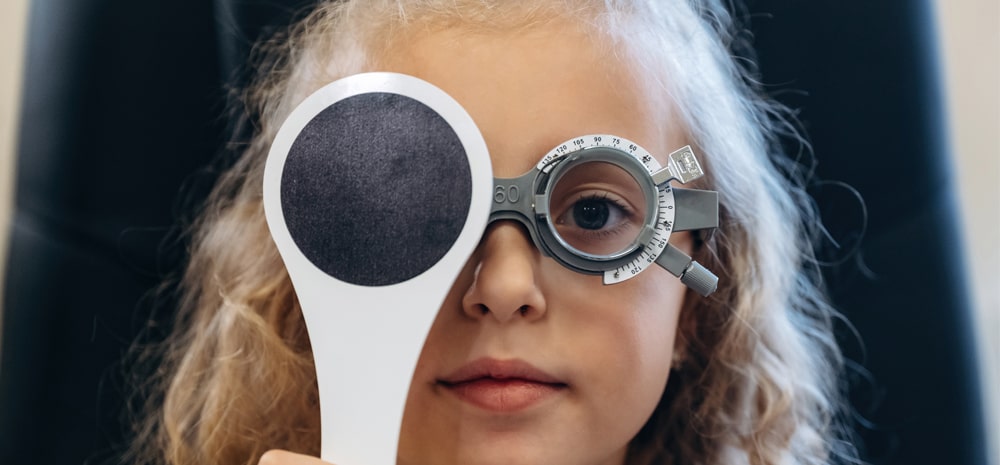


Squint, medically known as strabismus, is a condition where the eyes do not align properly and may point in different directions. It can affect both children and adults and may be present constantly or appear only at certain times, such as when tired or focusing on near objects.
While squint is sometimes noticed cosmetically, it is primarily a functional eye condition that can impact vision development, depth perception, and overall visual comfort. Early assessment by a squint specialist is essential to determine the type, cause, and appropriate management pathway.
What Is Squint and How Does It Develop?
Squint occurs when the muscles controlling eye movement are not working in coordination, causing one eye to deviate inward, outward, upward, or downward. The condition may be:
- Congenital (present from early childhood)
- Developmental, appearing as vision matures
- Acquired later in life due to refractive issues, nerve conditions, trauma, or systemic causes
Squint is not always constant. Some forms are intermittent and may only become noticeable during focused tasks, illness, or fatigue, which is why specialist evaluation is often required for accurate diagnosis.
Symptoms of Squint and Its Impact In Children
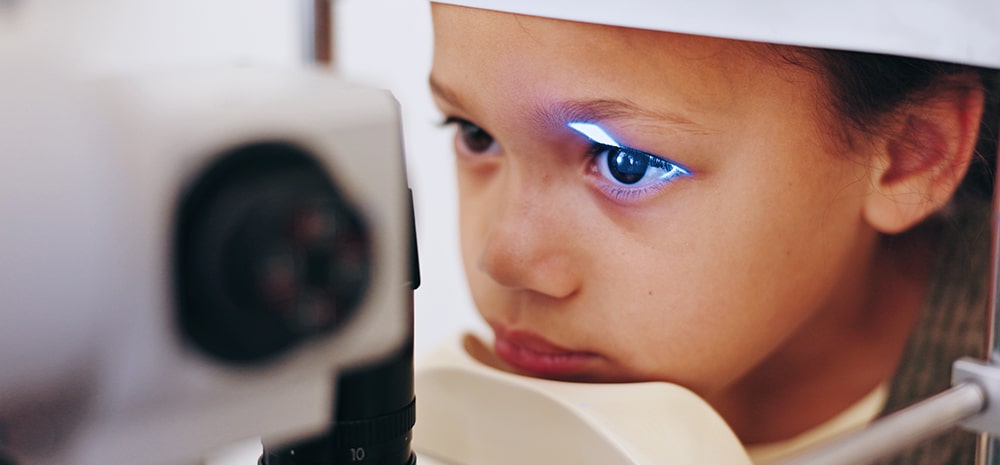
Children may not report visual problems, so squint is often identified through observation. Signs may include:
- Eyes that appear misaligned
- Closing or covering one eye
- Head tilting or turning
- Poor depth perception
- Delayed visual development
- Difficulty with reading or concentration
If left unaddressed, squint can lead to amblyopia (lazy eye), where the brain begins to ignore input from the misaligned eye.
In Adults
Adults with squint may experience:
- Double vision
- Eye strain or fatigue
- Headaches
- Difficulty with depth perception
- Sudden eye misalignment
Adult-onset squint may indicate underlying neurological or muscular causes and should always be assessed by a specialist.
Why Early and Specialist Squint Care Is Important
The visual system, especially in children, develops during early life. Squint affects how the brain processes visual information from each eye. Early specialist involvement allows for:
- Accurate classification of squint type
- Identification of associated vision or neurological issues
- Timely intervention during key developmental periods
- Prevention of permanent vision loss
In adults, specialist care helps determine whether the squint is stable, progressive, or linked to other medical conditions, guiding safe and appropriate management.
Specialist Squint Care at Orbit Eye Center
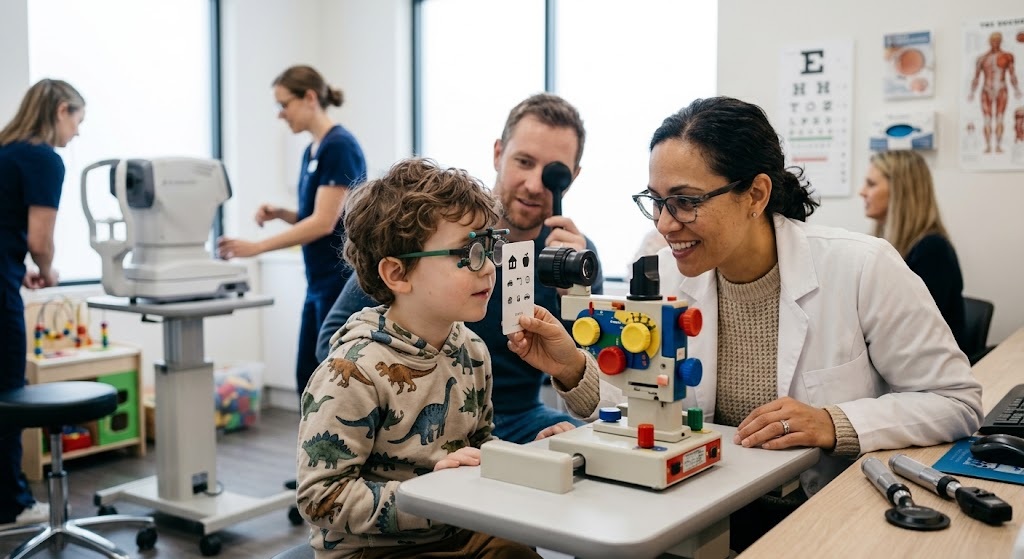
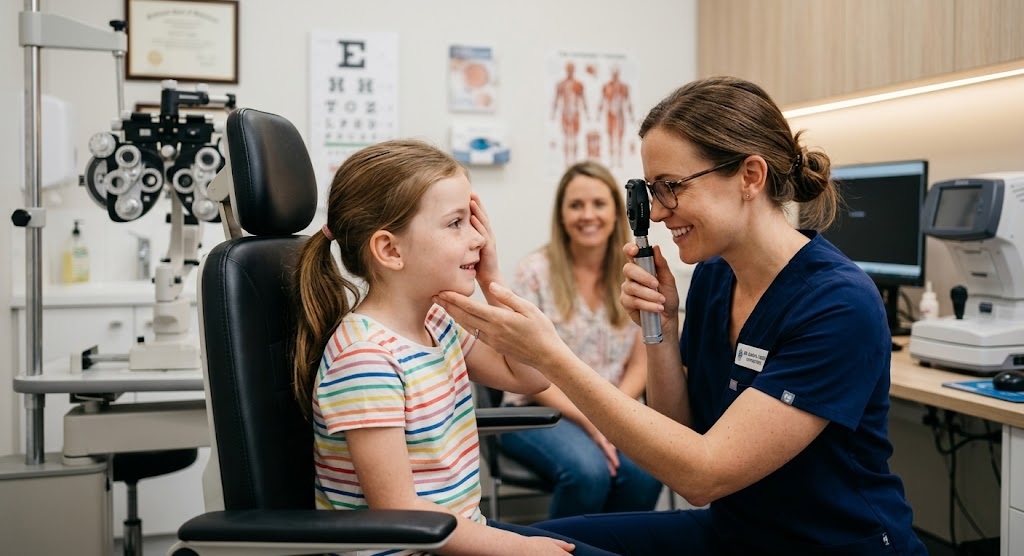
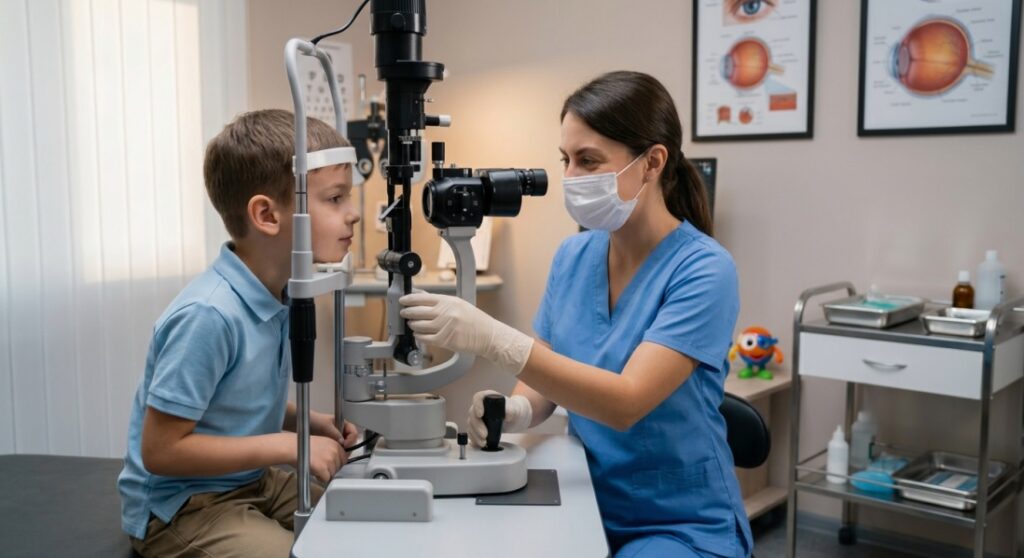
Orbit Eye Center provides consultant-led evaluation and management of squint in both children and adults. Care pathways are built around detailed clinical assessment rather than assumptions based on appearance alone.
Squint evaluation may include:
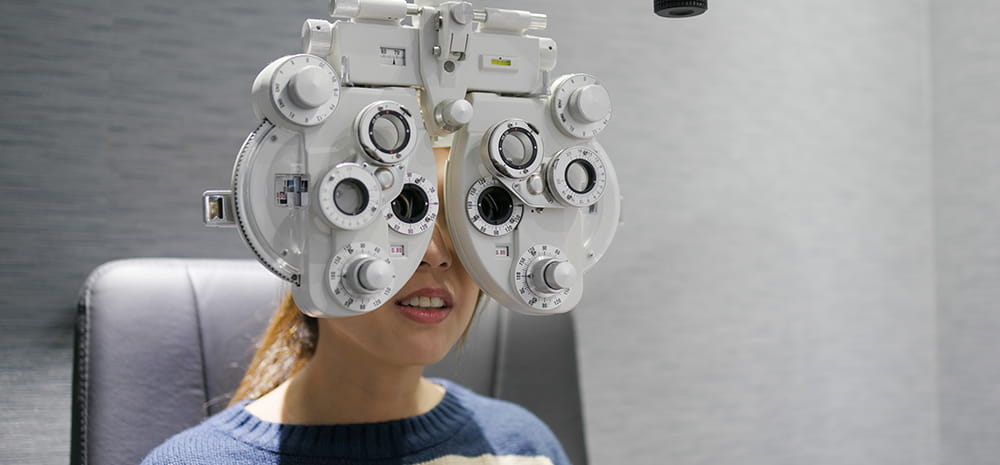
- Eye alignment and movement assessment
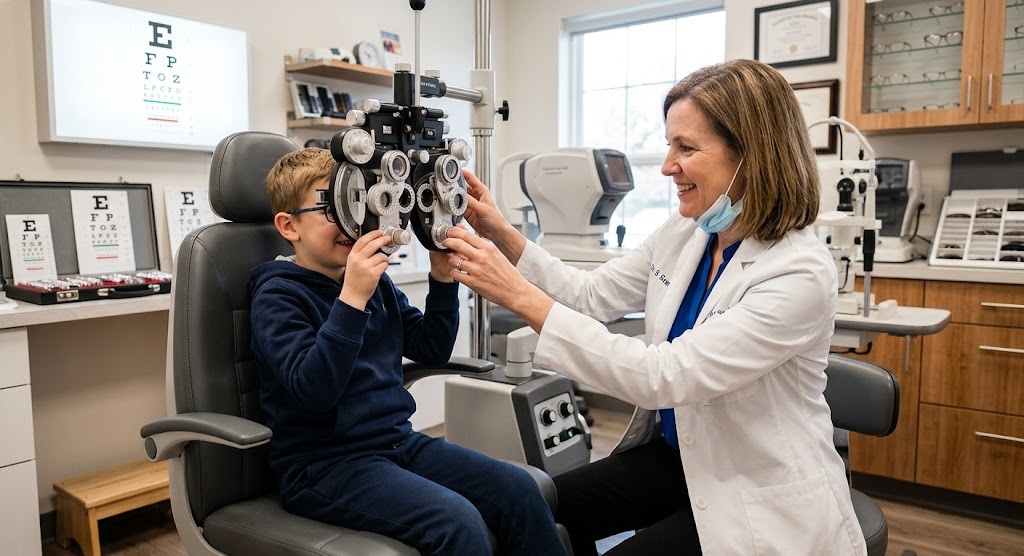
- Vision testing appropriate to age
- Binocular vision evaluation
- Ongoing monitoring when required
The focus is on understanding how the eyes work together, not only how they look, ensuring decisions are guided by medical findings.
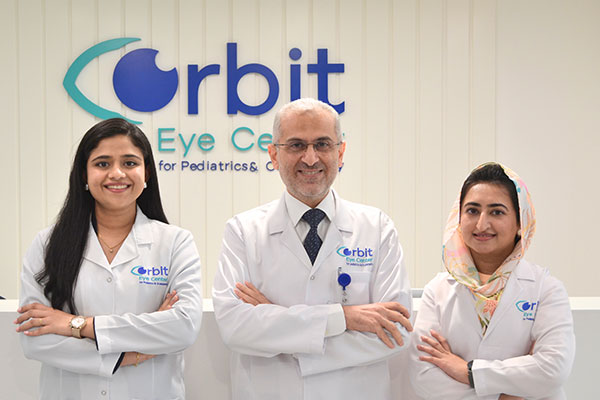
Dr. Walid Abdalla is an expert ophthalmologist with a dedicated clinical focus on squint and pediatric eye conditions.
From a clinical perspective, Dr. Walid emphasises that squint is often misunderstood as a purely cosmetic concern. In reality, it is closely linked to visual development and neurological coordination. Some cases require active treatment, while others benefit from careful monitoring over time.
His approach is centred on:
- Accurate diagnosis before treatment decisions
- Clear communication with parents and patients
- Individualised care plans based on clinical need
- Medically appropriate timing of intervention
When Should You See a Squint Specialist in Dubai?
A specialist consultation should be considered if:
- A child’s eyes appear misaligned at any time
- Squint appears suddenly in an adult
- There is concern about vision development or school performance
- Double vision or eye strain persists
- You have been advised to seek specialist assessment
Not all squints require immediate treatment, but all suspected squints require proper evaluation to determine the safest course of action.
Frequently Asked Questions
- Is squint the same as lazy eye?
No. Squint refers to eye misalignment, while lazy eye (amblyopia) is reduced vision due to poor visual development. Squint can lead to lazy eye if untreated. - Can squint correct itself over time?
Some intermittent squints may improve, but many require monitoring or treatment. Specialist evaluation is needed to determine the correct approach. - Is squint only a childhood condition?
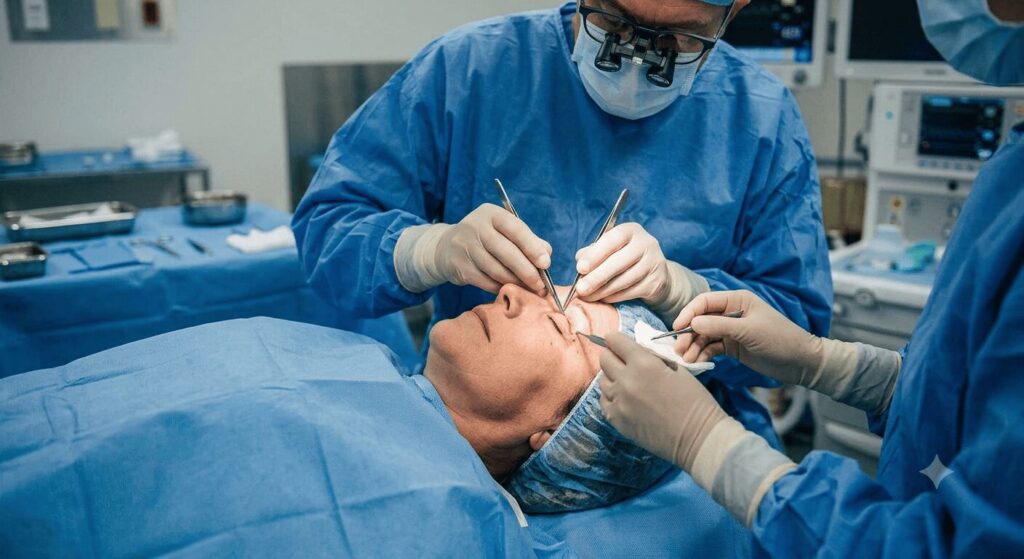
No. Squint can develop at any age. Adult-onset squint should always be assessed to rule out underlying causes. - Does squint always require surgery?
No. Management may include observation, glasses, vision therapy, or other medical approaches. Surgery is considered only when clinically indicated. - How early can squint be detected in children?
Squint can be detected in infancy or early childhood. Early assessment supports better long-term visual outcomes.
Next Steps in Squint Assessment and Care
If you notice signs of squint in your child or experience eye alignment changes yourself, a specialist assessment can provide clarity and guidance. Orbit Eye Center offers consultant-led squint evaluations designed to support informed decisions and long-term eye health through medically guided care.