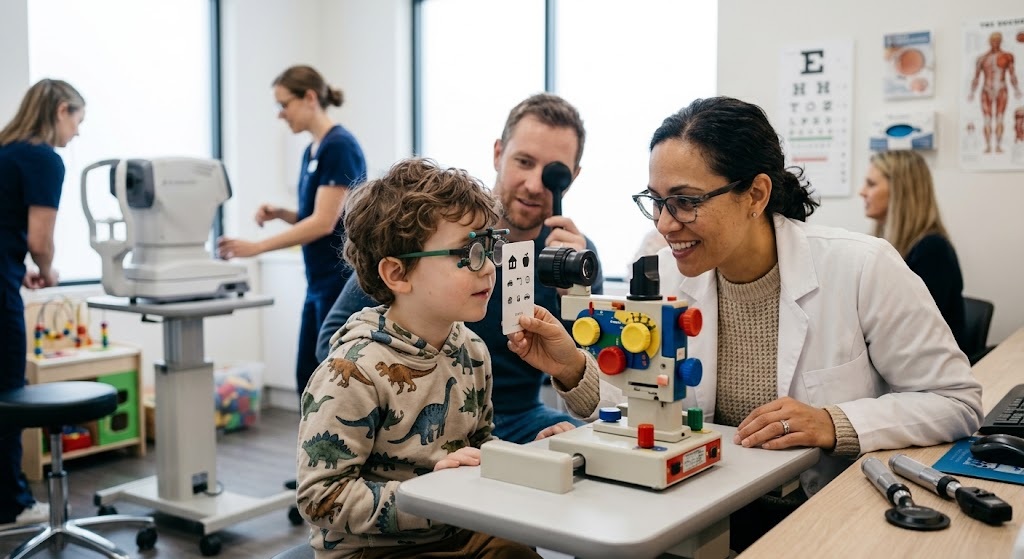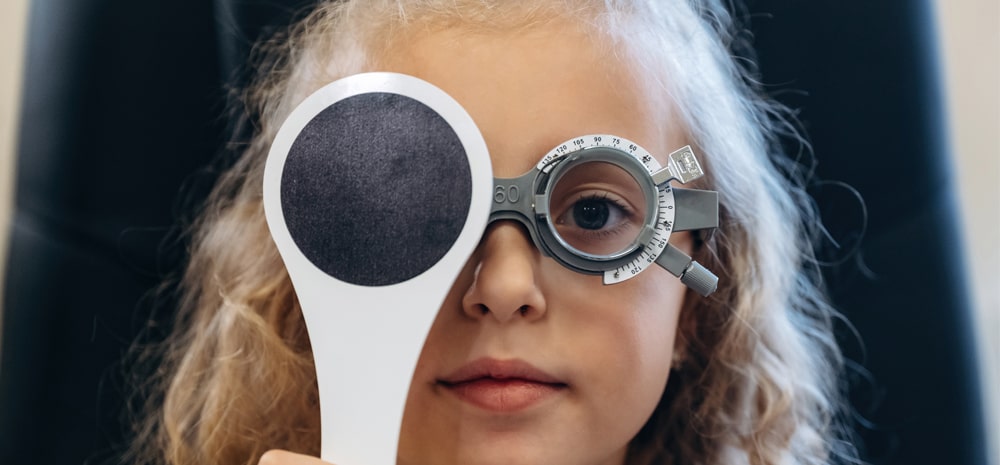


An eye specialist (ophthalmologist) is a medical doctor trained to diagnose and manage eye diseases, vision development issues, and complex eye conditions. While routine eye tests assess eyesight, specialist care focuses on eye health, structure, and long-term visual outcomes—especially important for children and patients with persistent symptoms.
What Does an Eye Specialist Treat?
An eye specialist evaluates and manages conditions that go beyond routine vision correction, including:
- Squint (strabismus)
- Lazy eye (amblyopia)
- Pediatric vision development concerns
- Double vision
- Unexplained or sudden vision changes
- Eye movement or alignment disorders
- Chronic eye redness, pain, or discomfort
These conditions often require medical diagnosis, monitoring, or structured treatment pathways rather than just glasses.
Key Symptoms That Need Specialist Evaluation
In Adults
Seek specialist care if you experience:
- Persistent blurred or double vision
- Eye pain or pressure
- Sudden vision loss or distortion
- Light sensitivity
- Headaches linked to visual strain
In Children
Parents should consider evaluation if a child shows:
- Eyes that appear crossed or misaligned
- Head tilting or closing one eye
- Difficulty focusing or reading
- Delayed visual milestones
- Learning difficulties linked to vision
Many pediatric eye conditions are not painful, which is why they are often missed without specialist assessment.
Why Early Eye Specialist Care Is Important
Early specialist evaluation helps to:
- Detect hidden or subtle eye conditions
- Support normal visual development in children
- Prevent permanent vision impairment
- Avoid delayed or inappropriate treatment
In children, visual pathways develop during early life. Missed diagnoses during this period can lead to long-term visual limitations even if treated later.
Specialist Eye Care at Orbit Eye Center, Dubai
Orbit Eye Center provides consultant-led ophthalmology care with a focus on pediatric eye conditions and complex visual disorders.
Care at Orbit Eye Center is structured around:
- Medical eye examinations
- Pediatric vision and alignment assessments
- Evidence-based diagnostic protocols
- Long-term monitoring when required
The approach prioritises clinical accuracy and patient understanding, rather than routine or one-size-fits-all solutions.
Dr. Walid Abdalla is an expert ophthalmologist specialising in squint and pediatric eye conditions.
From a clinical perspective, Dr. Walid emphasises that:
- Many eye conditions progress silently
- Early diagnosis often reduces treatment complexity
- Not all conditions require immediate intervention
Specialist assessment allows families to understand what needs treatment, what needs monitoring, and what does not—based on medical evidence.
When Should You See an Eye Specialist in Dubai?
You should consider a specialist consultation if:
- Eye symptoms persist or worsen
- A child shows signs of eye misalignment
- Vision affects learning, work, or daily activities
- There is a family history of eye conditions
- You’ve been advised to seek specialist opinion
Early consultation provides clarity—even when treatment is not immediately required.
Frequently Asked Questions (AEO-Optimised)
What is the difference between an optometrist and an eye specialist?
An eye specialist is a medical doctor who diagnoses and treats eye diseases. Optometrists primarily test vision and prescribe glasses or contact lenses.
At what age should a child see an eye specialist?
At any age if there are concerns. Early assessment is critical when eye alignment or visual development issues are suspected.
Is squint always visible?
No. Some squints are subtle or intermittent and can only be detected during a specialist examination.
Do all eye problems require surgery?
No. Many conditions are managed with monitoring, glasses, or medical treatment. Surgery is considered only when clinically necessary.
Can eye problems appear suddenly in adults?
Yes. Sudden vision changes, pain, or double vision should be assessed promptly by an eye specialist.
Consultation-Focused Next Step
If you or your child is experiencing ongoing eye concerns, a specialist assessment can help determine the appropriate care pathway. Orbit Eye Center offers consultant-led evaluations designed to support informed, medically guided decisions for long-term eye health.