
If you’ve been told to see an ophthalmologist in Dubai, or you’re simply trying to understand the difference between an ophthalmologist, an optometrist, and an optician, you’re not alone. The terms get used interchangeably, but they’re not the same thing, and knowing the difference can save you a wasted appointment.
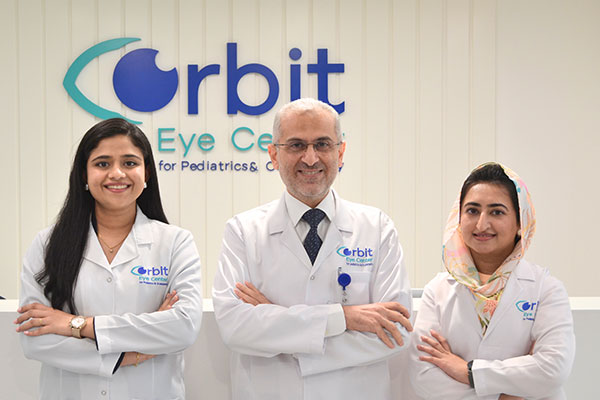
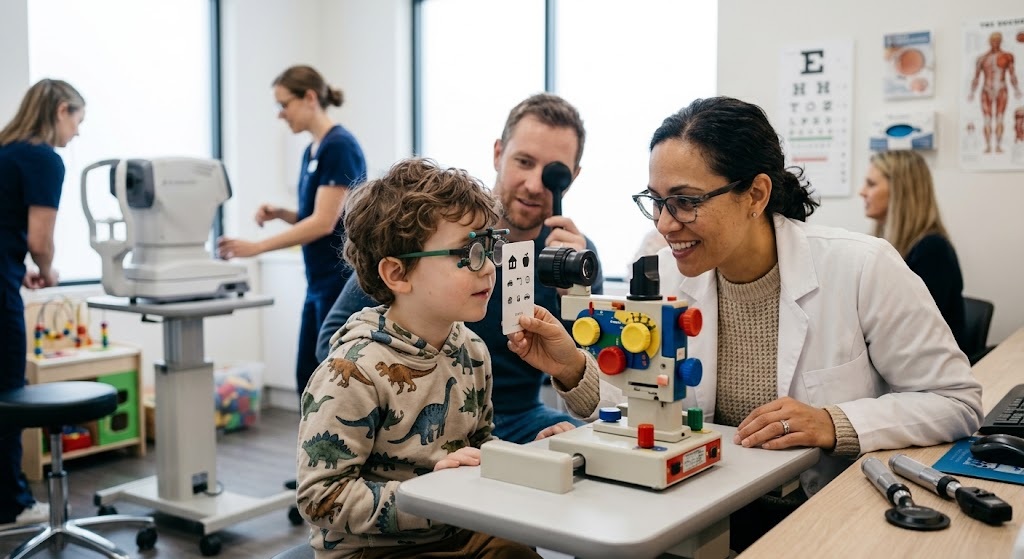
An ophthalmologist is a medical doctor who specializes in the diagnosis and treatment of eye conditions. That’s different from an optometrist, who typically handles vision testing and prescriptions for glasses or contact lenses, and different again from an optician, who fits the eyewear itself. At Orbit Eye Center for Pediatrics & Oculoplasty, Dr. Walid Abdalla is the ophthalmologist families turn to for concerns that go beyond a standard vision check, from a child’s eye alignment to eyelid and tear duct issues in both children and adults. This guide covers what ophthalmologists actually treat, how to know when it’s time to see one, and what to expect from a first consultation in Dubai.
Ophthalmologist vs. Optometrist vs. Optician: What’s the Difference?
It’s a genuinely common point of confusion. An optician fits and sells glasses and contact lenses based on a prescription someone else has written. An optometrist can test vision, write that prescription, and spot some eye conditions during a routine exam. An ophthalmologist is a medical doctor who can diagnose and treat eye disease, and in many cases operate when surgery is the right option. If your concern goes beyond “do I need new glasses,” an ophthalmologist is usually the right starting point.
What an Ophthalmologist Actually Treats
Ophthalmology is a broad field, and most ophthalmologists focus their practice on particular areas rather than covering everything. At Orbit, Dr. Walid Abdalla’s focus is pediatric ophthalmology and oculoplastic care, which in practice covers concerns such as:
- Children’s vision conditions, including lazy eye (amblyopia) and eye misalignment (strabismus)
- Eyelid conditions such as drooping eyelids (ptosis), excess eyelid skin, or lumps that don’t settle
- Tear duct problems, including persistent watering or blocked ducts in children
- Structural or functional concerns around the eye that affect both appearance and vision
It’s worth saying plainly: not every ophthalmologist handles every eye condition, and Orbit’s practice doesn’t include procedures like LASIK or cataract surgery. If that’s what you need, a specialist in that specific area is the better fit, and part of a good first consultation is being told clearly whether you’re in the right place.
Signs It’s Time to See an Ophthalmologist in Dubai
A few situations are worth booking an appointment for rather than waiting out:
- Persistent eye redness or irritation that isn’t improving with over-the-counter drops
- Sudden or noticeable changes in vision
- A child failing a school or nursery vision screening
- A drooping eyelid, in a child or an adult
- Ongoing excess tearing, especially in a young child
- A family history of eye conditions that tend to run in families
Why the Right Specialist Match Matters
Eye care works best when the specialist’s actual focus matches what you need. Dr. Walid Abdalla’s combination of pediatric ophthalmology and oculoplastic surgery means that a child with both a vision concern and a structural eyelid concern, or an adult dealing with an eyelid issue, can be assessed by one doctor with direct experience in that overlap, rather than being referred back and forth. And where something falls outside that scope, being told so clearly, early, is part of getting the right care faster.
What to Expect From a First Consultation at Orbit Eye Center
A first visit typically starts with understanding the history behind the concern, followed by an examination suited to the patient’s age and the specific issue. Dr. Walid Abdalla talks through what he’s finding as he goes, so you leave with a clear picture of what’s happening and what, if anything, happens next.
Book a consultation with Dr. Walid Abdalla at Orbit Eye Center for Pediatrics & Oculoplasty.