

What Is Strabismus?
The eye is one of the most vital organs in the human body. Yet many people fear losing their sight to preventable conditions — one of the most common being strabismus, also known as a squint.
Dr. Walid Mohamed Abdalla, Consultant Ophthalmologist and Fellow of the Royal College of Surgeons (Glasgow, UK), explains that strabismus is especially relevant in children. Treating it early doesn’t just fix how the eye looks — it protects vision for life.
Types of Strabismus
There are more than 14 types of strabismus. Here’s a simple breakdown:
- Congenital strabismus — present from birth; needs early treatment. Don’t wait for the child to grow up.
- Early childhood strabismus — appears in the first 3–4 years of life. Usually caused by poor eyesight or long-sightedness (hyperopia).
- Adult-onset strabismus — can occur in young adults due to poor vision or eye muscle dysfunction.
- Injury-related strabismus — caused by accidents or falls; typically requires surgery.
Strabismus can also be described by direction:
- Horizontal (inward or outward drift)
- Vertical (upward or downward drift)
Many people assume all strabismus is congenital. It isn’t. Only two types are — the rest have other causes.
How Does Strabismus Affect Vision?
When the eyes don’t align, vision suffers in real, practical ways:
- No 3D perception — patients can’t watch 3D movies or judge depth properly
- Distorted spatial awareness — patients may misjudge doorways and walk into walls
- Reduced visual clarity — shapes, lines, and edges appear warped
The two eyes simply aren’t working as a team.
Can It Be Treated?
Yes — all types of strabismus can be treated. But early treatment makes a huge difference.
- In young children, treatment is 100% effective when caught early
- Neglecting it makes treatment harder, and normal vision may never fully return
- Even then, surgery can still correct the appearance of the eye
Treatment options include:
- Eyeglasses (to correct underlying vision problems)
- Eye exercises (for intermittent cases)
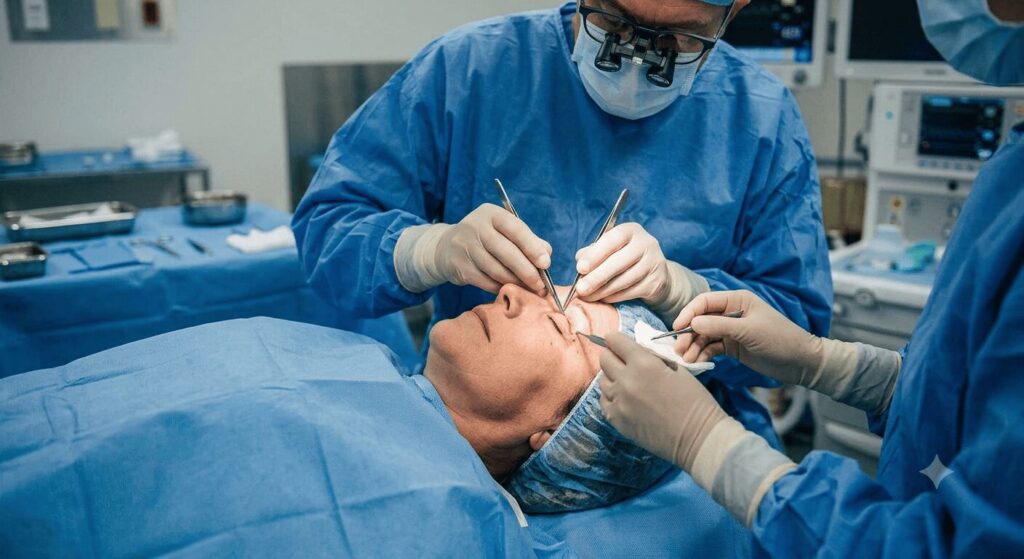
- Surgery (when glasses and exercises aren’t enough)
There’s no fixed age for treatment. Each case is assessed individually. A 6-year-old with constant strabismus that can’t be controlled may need surgery right away.
Spotting the Signs — What Parents Should Watch For
Strabismus doesn’t always look the same. Signs to watch for include:
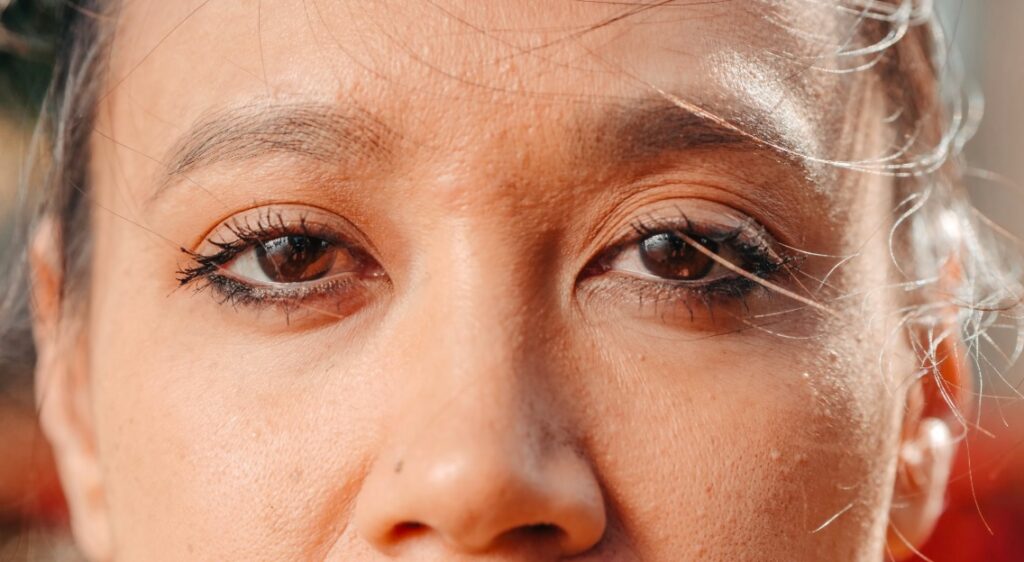
- Eyes that don’t point in the same direction
- One eye drifting toward the ear or nose
- An eye that shifts up or down
- Eyes that occasionally drift, then realign (intermittent strabismus)
If it happens even once or twice, take it seriously. Intermittent strabismus can worsen over time.
Children often can’t express what they’re experiencing. They may not even realize something is wrong.
When to See a Doctor
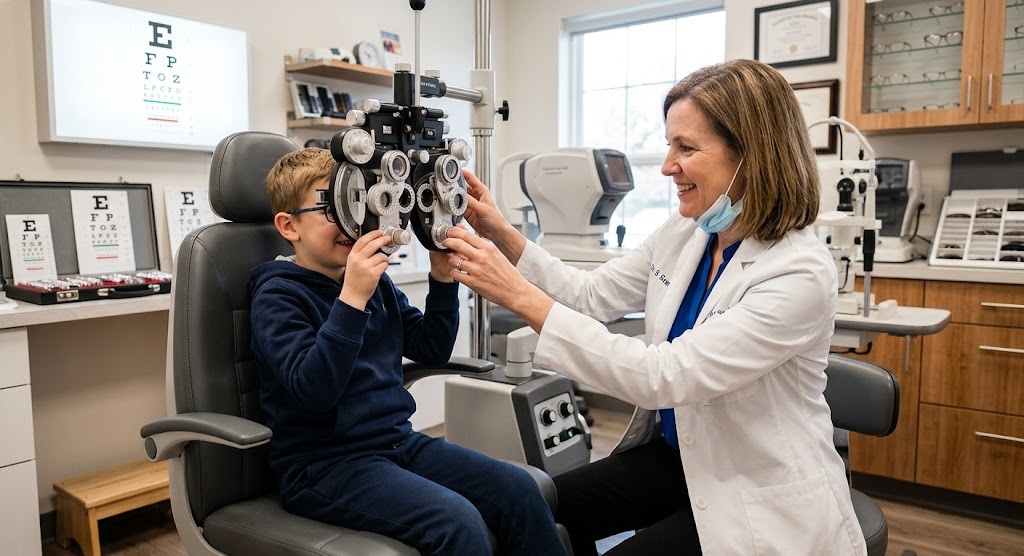
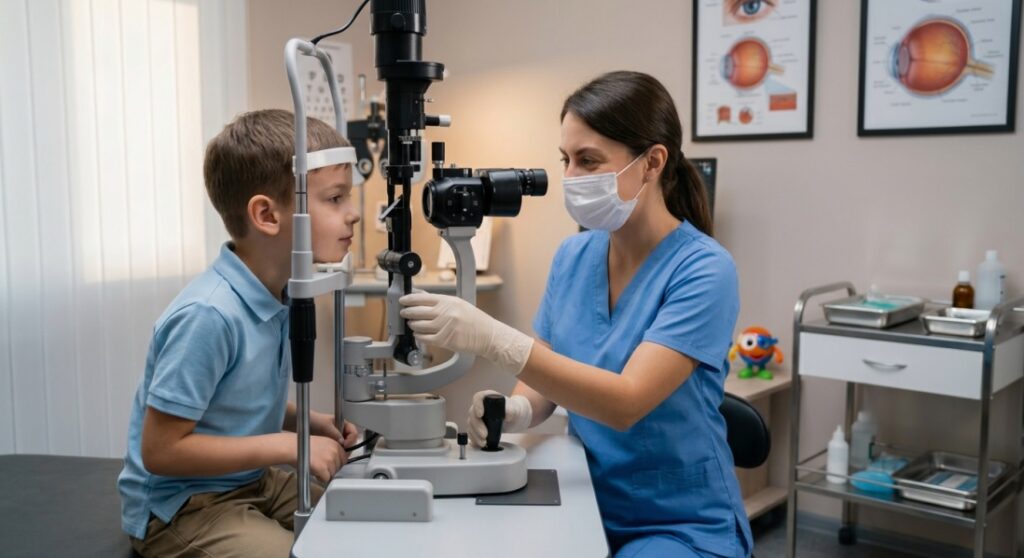
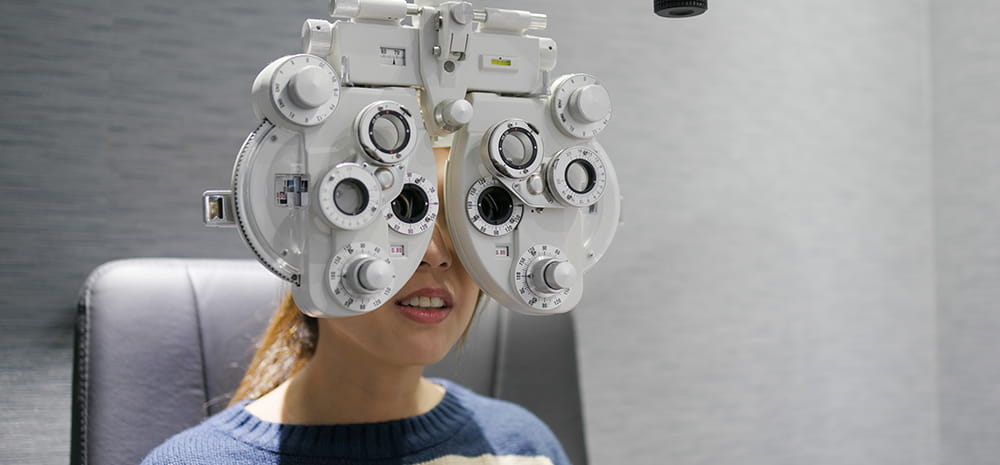
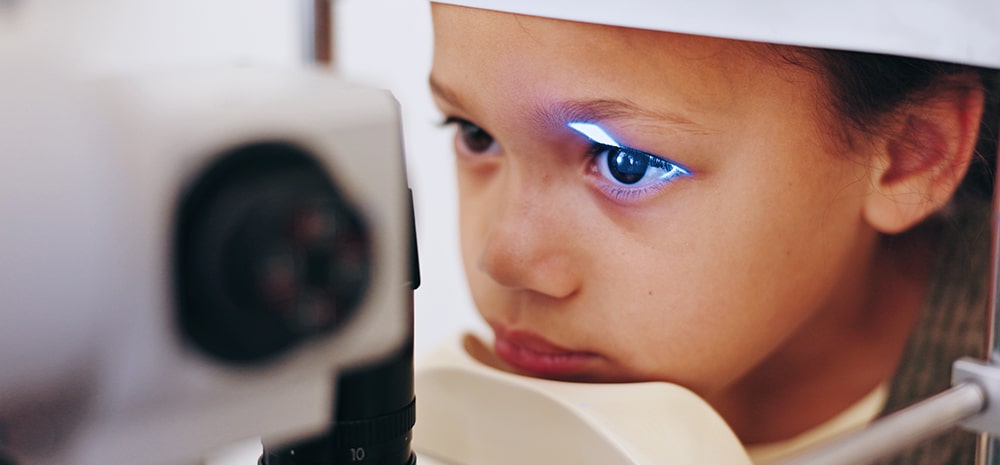
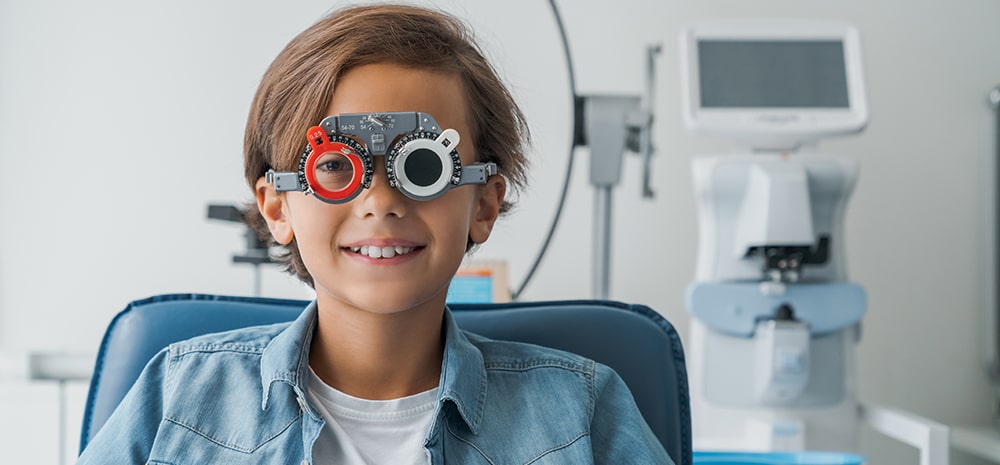
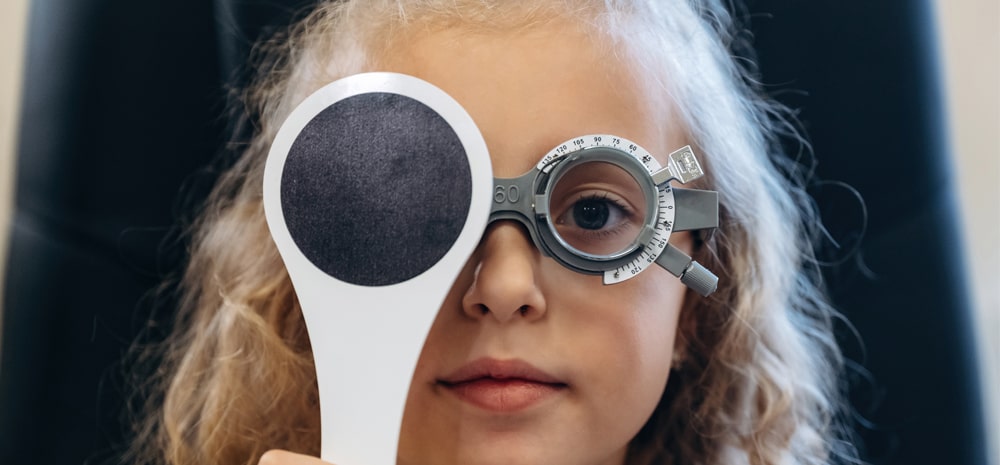
Dr. Abdalla recommends all children get an eye exam between 6 months and 3 years of age — even if no symptoms are visible.
This check-up can catch:
- Hidden congenital defects
- One eye with weaker vision than the other
- Early signs of lazy eye (amblyopia), which can lead to strabismus
It’s a simple step. It doesn’t cost much. And it can prevent serious vision problems down the line.
Most countries now recommend a routine eye exam for all children before the age of 4.